Field note
The Ultimate Guide to the Ketogenic Diet: Your Path to Health and Weight Loss
Discover the comprehensive guide to the ketogenic diet, its benefits, and how to start your journey towards health and weight loss.

The ketogenic diet, often referred to simply as the keto diet, is a dietary approach that emphasizes a significant reduction in carbohydrate intake while increasing fat consumption. This unique macronutrient ratio typically consists of approximately 70% fats, 25% protein, and only about 5% carbohydrates. By drastically lowering carbohydrate intake, the body enters a metabolic state known as ketosis, where it becomes highly efficient at burning fat for energy instead of relying on glucose derived from carbs. This fundamental shift in energy utilization is what sets the keto diet apart from traditional dietary practices. One of the primary reasons individuals are drawn to the ketogenic diet is its potential for weight loss. , is a dietary approach that emphasizes a significant reduction in carbohydrate intake while increasing fat consumption. This unique macronutrient ratio typically consists of approximately 70% fats, 25% protein, and only about 5% carbohydrates. By drastically lowering carbohydrate intake, the body enters a metabolic state known as ketosis, where it becomes highly efficient at burning fat for energy instead of relying on glucose derived from carbs. This fundamental shift in energy utilization is what sets the keto diet apart from traditional dietary practices. One of the primary reasons individuals are drawn to the ketogenic diet is its potential for weight loss.
When the body is in ketosis, it not only burns fat more effectively but also suppresses hunger hormones, which can lead to reduced appetite and fewer cravings. This makes it easier for many people to adhere to their dietary goals without feeling deprived. Additionally, the keto diet has been associated with various health benefits beyond weight loss, including improved blood sugar control, enhanced mental clarity, and increased energy levels. Moreover, the keto diet has garnered attention for its potential therapeutic effects on certain medical conditions. Research suggests that it may be beneficial for individuals with epilepsy, type 2 diabetes, and even neurodegenerative diseases like Alzheimer’s.
By understanding how the ketogenic diet works and its myriad benefits, individuals can make informed decisions about whether this dietary approach aligns with their health goals.
The Science Behind the Keto Diet
The ketogenic diet operates on a fundamental principle: by drastically reducing carbohydrate intake and replacing it with fat, the body enters a metabolic state known as ketosis. This process is crucial for understanding how the keto diet works and why it can be effective for weight loss and overall health. When carbohydrates are consumed, they are broken down into glucose, which serves as the primary energy source for the body. However, when carbohydrate intake is significantly reduced, the body is forced to find an alternative fuel source. In this state of ketosis , the liver converts fatty acids into ketones, which then become the main energy source for the brain and other tissues. To achieve ketosis, individuals typically need to limit their carbohydrate intake to about 20 to 50 grams per day.This restriction prompts the body to deplete its glycogen stores and begin utilizing fat for energy. The transition into ketosis can take anywhere from a few days to a week, depending on various factors such as individual metabolism and activity level. During ketosis, several physiological changes occur:
- Increased Fat Oxidation: The body becomes more efficient at burning fat for fuel, leading to a reduction in body fat percentage.
- Appetite Suppression: Ketones have been shown to suppress hunger hormones, which can help reduce overall caloric intake.
- Improved Insulin Sensitivity: Lower carbohydrate consumption leads to reduced insulin levels, which can enhance insulin sensitivity and stabilize blood sugar levels.
- Cognitive Benefits: Ketones are a more efficient fuel source for the brain compared to glucose, potentially improving mental clarity and focus.
This metabolic shift not only promotes weight loss but also offers various health benefits that extend beyond mere calorie counting.
Benefits of Following a Ketogenic Diet
The ketogenic diet offers a multitude of benefits that extend beyond mere weight loss. By significantly reducing carbohydrate intake and replacing it with fat, the body enters a metabolic state known as ketosis. This shift not only aids in shedding excess pounds but also brings about several health advantages.1.Effective Weight Loss
One of the most compelling reasons individuals turn to the keto diet is its effectiveness in promoting weight loss. When the body is in ketosis, it becomes highly efficient at burning fat for energy.
This process can lead to a significant reduction in body fat, particularly visceral fat, which is linked to various health issues. Additionally, the high-fat content of the diet helps to suppress appetite, making it easier to consume fewer calories without feeling deprived.
2.Enhanced Mental Clarity and Focus
Many followers of the ketogenic diet report improved mental clarity and cognitive function. This is largely attributed to the brain's preference for ketones as a fuel source over glucose. Ketones provide a more stable energy supply, which can lead to enhanced focus and concentration.
Furthermore, some studies suggest that a ketogenic diet may have neuroprotective effects, potentially benefiting individuals with neurodegenerative diseases.
3.Potential Therapeutic Effects
The ketogenic diet has been studied for its potential therapeutic effects on various medical conditions. For instance, it has shown promise in managing epilepsy, particularly in children who do not respond well to traditional treatments. Additionally, emerging research indicates that the keto diet may have beneficial effects on conditions such as type 2 diabetes, polycystic ovary syndrome (PCOS), and even certain types of cancer.
4.Improved Blood Sugar Control
By drastically reducing carbohydrate intake, the ketogenic diet can help stabilize blood sugar levels. This is particularly beneficial for individuals with insulin resistance or type 2 diabetes, as it may lead to improved glycemic control and reduced reliance on medications.
5.Increased Energy Levels
Once the body adapts to burning fat for fuel, many people experience increased energy levels throughout the day.
Unlike carbohydrates, which can lead to energy spikes and crashes, fat provides a more consistent energy source. This can enhance physical performance and endurance during workouts. In summary, the benefits of following a ketogenic diet are extensive and varied. From effective weight loss and improved mental clarity to potential therapeutic applications for certain health conditions, adopting a keto lifestyle can lead to significant improvements in overall well-being.
How to Start a Ketogenic Diet: A Step-by-Step Guide
Embarking on a ketogenic diet can be an exciting yet daunting journey, especially for beginners. To help you navigate this lifestyle change, we’ve compiled a step-by-step guide that covers everything from meal planning to grocery shopping tips and setting achievable goals.1.Understand the Basics of the Keto Diet
- The ketogenic diet primarily focuses on drastically reducing carbohydrate intake while increasing fat consumption.
This shift in macronutrient ratios encourages your body to enter a state of ketosis, where it burns fat for fuel instead of carbohydrates.
- Typically, a keto diet consists of approximately 70% fats, 25% protein, and only 5% carbohydrates.
2.Set Realistic Goals
Before diving into the keto lifestyle, it’s essential to set realistic and achievable goals. Consider what you want to accomplish with the diet—whether it’s weight loss, improved energy levels, or better mental clarity. Write down your goals and track your progress regularly to stay motivated.
3.Meal Planning
Effective meal planning is crucial for success on the ketogenic diet. Here are some tips:
-
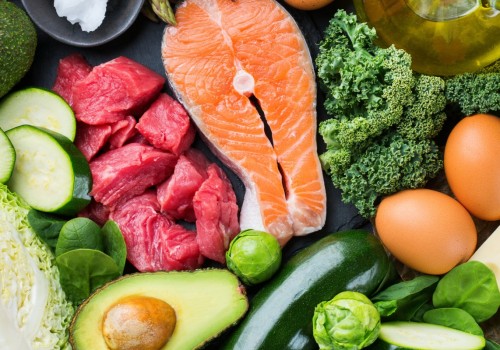
Choose Keto-Friendly Foods: Focus on high-fat foods such as avocados, nuts, seeds, olive oil, and fatty fish.
Incorporate low-carb vegetables like spinach, kale, and broccoli.
- Create a Weekly Menu: Plan your meals for the week ahead. This will help you avoid last-minute unhealthy choices and ensure you have all necessary ingredients on hand.
- Batch Cooking: Prepare larger portions of meals that can be stored in the fridge or freezer for quick access during busy days.
4.Grocery Shopping Tips
When shopping for keto-friendly foods, keep these tips in mind:
- Read Labels: Always check nutrition labels for hidden sugars and carbs. Aim for products with minimal ingredients.
- Shop the Perimeter: Focus on the outer aisles of the grocery store where fresh produce, meats, and dairy are typically located.
- Avoid Processed Foods: Steer clear of packaged snacks and processed foods that are often high in carbohydrates.
5.Stay Hydrated and Monitor Your Body
As you transition into a ketogenic diet, staying hydrated is vital. Drink plenty of water throughout the day to help manage hunger and support overall health.
Additionally, pay attention to how your body responds to the diet; this will help you make necessary adjustments along the way. By following these steps and remaining committed to your goals, you can successfully start your ketogenic journey and enjoy the numerous benefits it has to offer.
Common Mistakes to Avoid on a Ketogenic Diet
Embarking on a keto diet can be an exciting journey towards improved health and weight loss, but it’s essential to navigate it carefully to avoid common pitfalls. Here are some frequent mistakes that individuals make when starting a ketogenic lifestyle, along with tips on how to sidestep them.- Neglecting Electrolyte Balance: One of the most significant mistakes is failing to maintain proper electrolyte levels. As your body transitions into ketosis, it excretes more water and electrolytes. This can lead to symptoms like fatigue, headaches, and muscle cramps, often referred to as the "keto flu." To avoid this, ensure you consume adequate sodium, potassium, and magnesium through foods or supplements.
-
Overlooking Hidden Carbs: Many newcomers underestimate the carbohydrate content in certain foods.
Items like sauces, dressings, and even some vegetables can contain hidden sugars. Always read labels and track your carb intake diligently to stay within your daily limits.
-
Not Eating Enough Fat: A common misconception is that you should limit fat intake on a keto diet. In reality, fat should be your primary source of energy. If you don’t consume enough healthy fats, you may feel hungry and fatigued.
Focus on incorporating avocados, nuts, seeds, and healthy oils into your meals.
- Ignoring Protein Intake: While protein is essential, consuming too much can kick you out of ketosis. Aim for a moderate protein intake—typically around 20% of your total calories—ensuring that you’re not overdoing it while still getting enough to support muscle maintenance.
- Failing to Plan Meals: Without proper meal planning, it’s easy to revert to high-carb options when hunger strikes. Take time each week to prepare meals that align with your keto diet. This will help you stay on track and avoid impulsive eating decisions.
-
Not Staying Hydrated: Dehydration can be a concern on a ketogenic diet due to increased water loss.
Make sure you drink plenty of water throughout the day. Additionally, consider incorporating bone broth or electrolyte drinks to replenish lost minerals.
Staying Motivated on Your Keto Journey
Embarking on a ketogenic diet can be a transformative journey, but like any significant lifestyle change, it can also present challenges that may test your resolve. Staying motivated is crucial for long-term success on the keto diet.Here are some effective strategies to help you maintain your motivation and stay on track.
1.Set Clear and Achievable Goals
- Define specific, measurable, attainable, relevant, and time-bound (SMART) goals. For instance, instead of saying "I want to lose weight," specify "I want to lose 10 pounds in the next two months." This clarity will give you a target to aim for.
- Break larger goals into smaller milestones. Celebrate each achievement, no matter how small, to keep your spirits high.
2.Track Your Progress
Keeping a record of your journey can be incredibly motivating. Use apps or journals to log your meals, weight changes, and how you feel physically and mentally.
This not only helps you stay accountable but also allows you to see how far you've come.
3.Build a Support Network
- Connect with others who are also following the keto diet. Online forums, social media groups, or local meetups can provide encouragement and accountability.
- Share your experiences and challenges with friends or family members who understand your goals. Their support can be invaluable during tough times.
4.Educate Yourself
The more you know about the ketogenic diet and its benefits, the more motivated you'll be to stick with it. Read books, watch documentaries, or follow reputable blogs that focus on keto nutrition.
Understanding the science behind the diet can reinforce your commitment.
5.Prepare for Challenges
- Acknowledge that there will be obstacles along the way—social gatherings, cravings, or plateaus in weight loss are common hurdles. Plan ahead for these situations by preparing keto-friendly snacks or meals.
- Have strategies in place for when motivation wanes. This could include revisiting your goals or seeking support from your network.
6.Focus on Non-Scale Victories
While weight loss is often a primary goal, it's essential to recognize other benefits of the keto diet such as increased energy levels, improved mental clarity, and better sleep quality. Celebrate these non-scale victories as they contribute significantly to your overall well-being. Staying motivated on your keto journey requires a combination of goal-setting, tracking progress, building a support network, continuous education, preparation for challenges, and recognizing all forms of success.
By implementing these strategies, you can maintain your enthusiasm and commitment to the ketogenic lifestyle.
Frequently Asked Questions About the Keto Diet
As the popularity of the keto diet continues to rise, many individuals have questions and concerns about its principles, benefits, and potential drawbacks. Below are some of the most frequently asked questions regarding the ketogenic diet, along with clear answers to help clarify common misconceptions.What is the ketogenic diet?
The ketogenic diet is a high-fat, low-carbohydrate eating plan designed to shift the body’s metabolism from burning glucose (sugar) for energy to burning fat. This metabolic state is known as ketosis. By drastically reducing carbohydrate intake and replacing it with fat, the body becomes highly efficient at burning fat for energy.Is the keto diet safe?
For most healthy individuals, the keto diet is considered safe when followed correctly.However, it may not be suitable for everyone, particularly those with certain medical conditions such as pancreatitis, liver disease, or gallbladder issues. It’s always advisable to consult with a healthcare professional before starting any new diet.
Will I gain weight back after stopping the keto diet?
Many people experience weight loss on the keto diet; however, returning to a high-carb diet without proper transition can lead to regaining weight. To maintain weight loss, it’s essential to adopt a balanced approach that includes healthy carbohydrates and regular physical activity.Can I eat fruits on a keto diet?
While fruits are generally healthy, many are high in sugars and carbohydrates. On a keto diet, it’s best to limit fruit intake to low-carb options such as berries in moderation.Always check nutritional information to ensure you stay within your daily carb limits.
What are some common myths about the keto diet?
- Keto is just another fad diet: While it has gained popularity recently, the ketogenic diet has been used for decades for medical purposes, particularly in treating epilepsy.
- You can eat unlimited fat: Although fat is a primary component of the diet, portion control is still important for overall health and weight management.
- Keto causes nutrient deficiencies: With careful planning and by including a variety of low-carb vegetables and supplements if necessary, you can meet your nutritional needs on a keto diet.
Conclusion: Embracing the Ketogenic Lifestyle for Better Health
As we conclude our exploration of the keto diet, it’s essential to reflect on the transformative potential this lifestyle can offer. By embracing a ketogenic approach, you are not merely adopting a diet; you are committing to a holistic way of living that prioritizes your health and well-being. The ketogenic diet is more than just a method for weight loss. It has been shown to provide numerous health benefits, including:-
Improved Weight Management: By significantly reducing carbohydrate intake, your body shifts into a state of ketosis, where it burns fat for fuel.
This can lead to effective weight loss and improved body composition.
- Enhanced Mental Clarity: Many individuals report increased focus and cognitive function while on a keto diet, likely due to the brain utilizing ketones as an efficient energy source.
- Stable Energy Levels: Unlike the energy spikes and crashes associated with high-carb diets, the keto diet promotes steady energy levels throughout the day.
- Potential Health Benefits: Emerging research suggests that a ketogenic lifestyle may have therapeutic effects for various conditions, including epilepsy, type 2 diabetes, and even certain neurodegenerative diseases.
- Educate Yourself: Familiarize yourself with keto-friendly foods and meal planning strategies. Resources such as cookbooks and online communities can be invaluable.
- Start Gradually: If you’re new to low-carb eating, consider easing into the diet by gradually reducing your carbohydrate intake rather than making drastic changes overnight.
- Monitor Your Progress: Keep track of your food intake and how you feel. This will help you identify what works best for your body and make necessary adjustments.
- Stay Hydrated: Proper hydration is crucial on a ketogenic diet. Ensure you drink plenty of water and consider replenishing electrolytes as needed.
By prioritizing whole, nutrient-dense foods and being mindful of your body’s needs, you can pave the way for lasting health improvements. Embrace this journey with an open mind and heart, and take proactive steps towards achieving your health goals.